If there's one neighborhood in Amsterdam that surprises every single visitor I guide, it's the Red Light District. People arrive expecting something shocking or seedy, and they leave completely fascinated by centuries of history, hidden churches, and a story of tolerance that's unlike anywhere else in the world. As someone who's been guiding tours through this neighborhood for over a decade, I want to share what you actually need to know before visiting the red light district Amsterdam has become so famous for.
Because here's the thing: this is one of the oldest parts of Amsterdam. Long before the neon lights, there were medieval churches, merchant houses, and sailors arriving from every corner of the globe. The Red Light District isn't just a curiosity, it's a window into the Dutch soul.
A Brief History of the Red Light District
The area you see today, known locally as De Wallen, dates back to the 14th century. Amsterdam was a booming port city, and this neighborhood sat right along the harbor. Thousands of sailors from the Dutch East India Company (the VOC) would arrive after months at sea, and an entire economy sprang up to serve them: taverns, boarding houses, and yes, the oldest profession in the world.
But the red light district history is far richer than that headline suggests. The Oude Kerk (Old Church), Amsterdam's oldest building dating to 1306, stands right in the center of it all. There's a beautiful irony in that, the city's most sacred building surrounded by its most worldly commerce. The Dutch didn't see this as a contradiction. They saw it as pragmatism.
By the 17th century, Amsterdam had become the wealthiest city in Europe. The same culture of tolerance that attracted philosophers like Descartes and Spinoza also meant a pragmatic approach to human nature. Rather than push things underground (as most European cities did), the Dutch chose regulation and openness. That philosophy hasn't changed much in 400 years.
What to Expect When You Visit
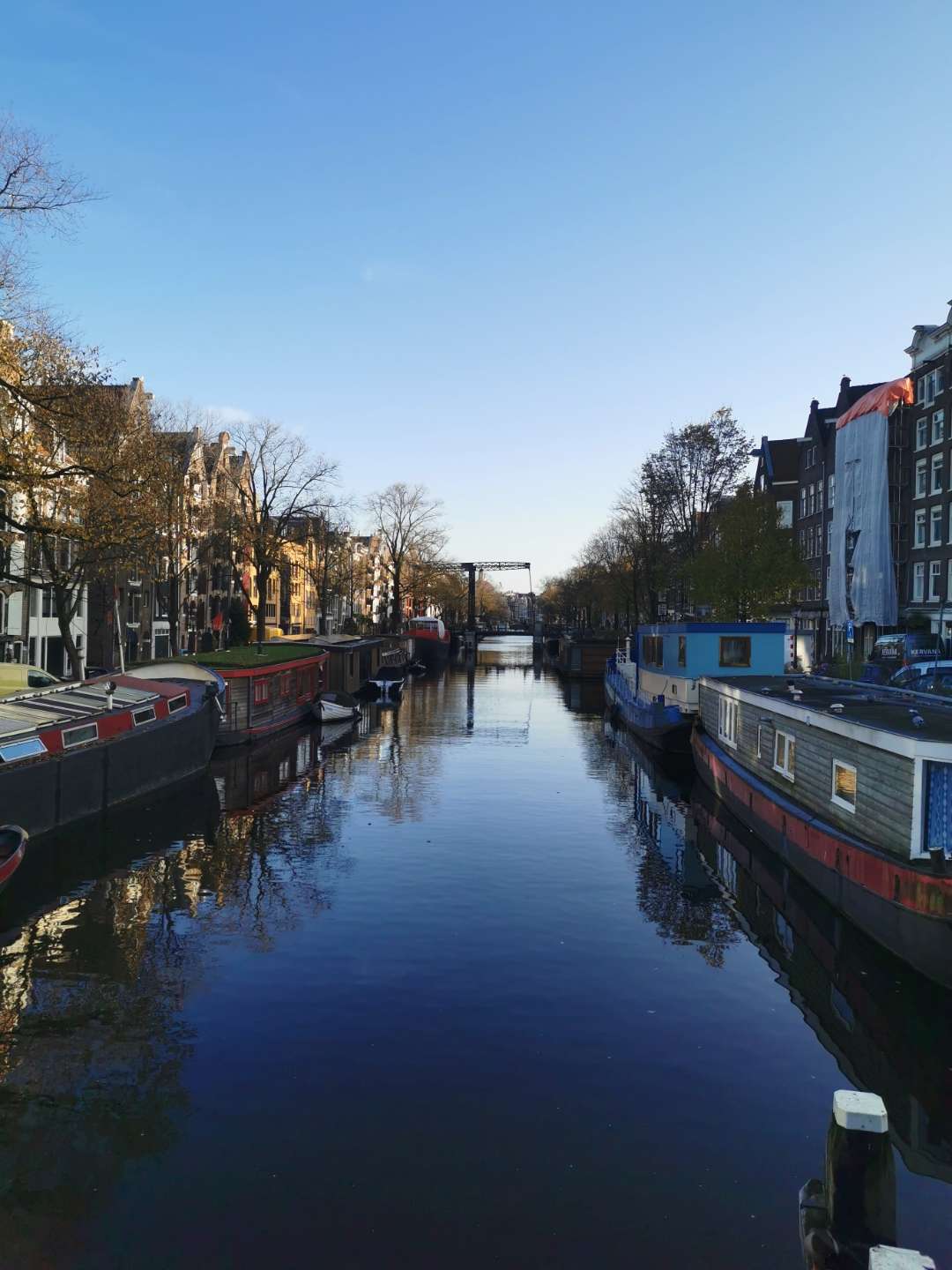
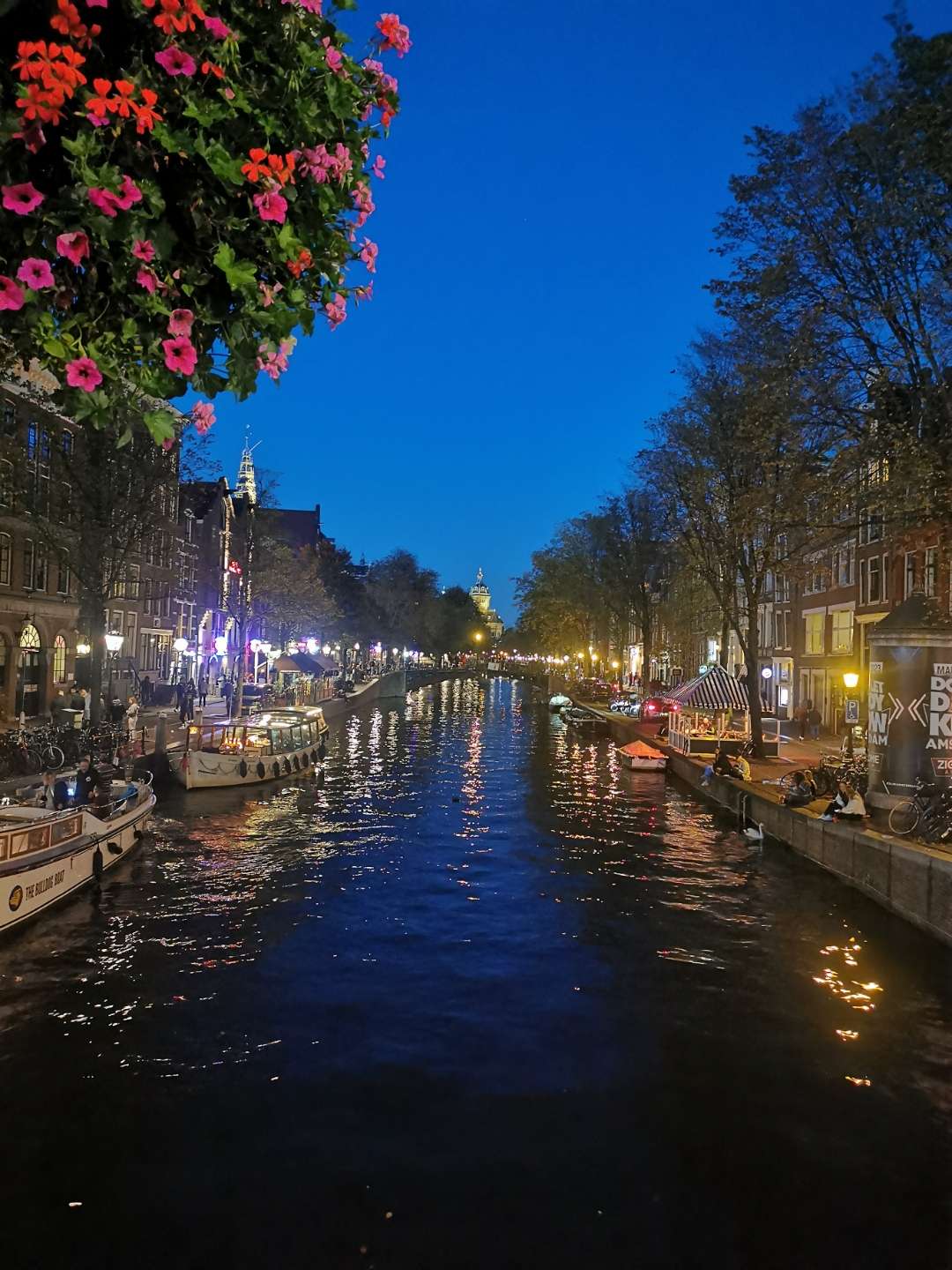
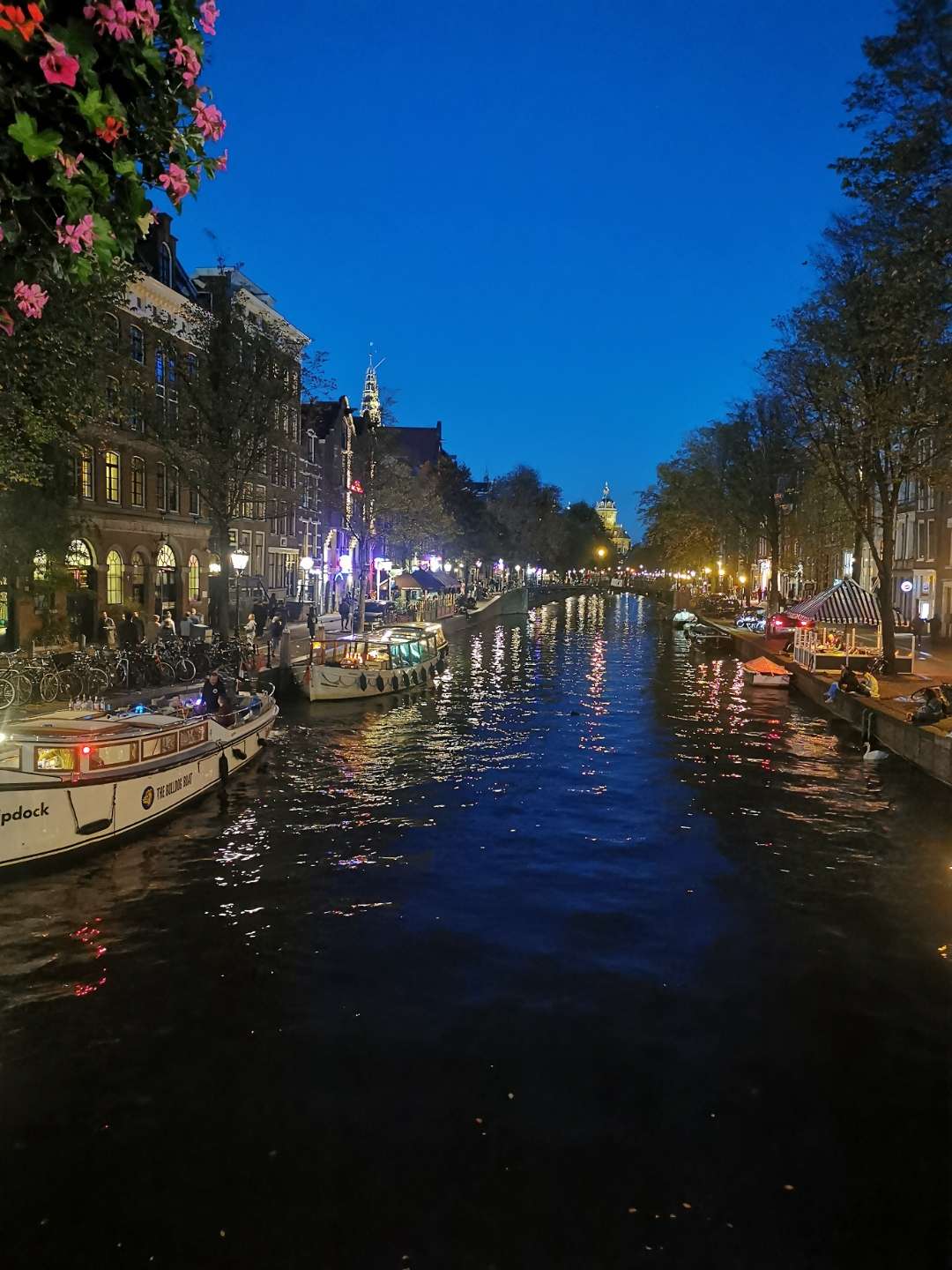
So what does visiting the red light district Amsterdam actually look like? First, let me set the scene. You'll walk along narrow cobblestone streets that follow medieval canals. The architecture is gorgeous, 17th-century canal houses with their distinctive stepped gables line every waterway. During the day, it's honestly quite charming and quiet.
The famous window system is exactly what it sounds like: ground-floor rooms with large windows illuminated by red (and sometimes blue or purple) lights. This has been the arrangement for centuries, and it's all perfectly legal and regulated. Workers pay taxes, have access to healthcare, and there are strict rules in place.
But the neighborhood is so much more than the windows. Here's what most visitors are surprised to discover:
- The Oude Kerk, Amsterdam's oldest church, with stunning medieval architecture and a surprisingly moving art installation program
- Hidden courtyards, Tiny alleyways open into secret gardens and historic hofjes (almshouses)
- Coffee shops vs. coffeeshops, A "coffee shop" serves espresso; a "coffeeshop" (one word) is where cannabis is sold. The area has both, and yes, visitors mix them up constantly
- Incredible food, Some of Amsterdam's best Indonesian restaurants and bruin cafés (traditional brown pubs) are tucked into these streets
Red Light District Rules and Etiquette
This is the part where I get serious for a moment, because understanding the red light district Amsterdam rules is essential for being a respectful visitor. These aren't just suggestions, some are actual laws.
- Never photograph or film the windows. This is the single most important rule. Taking photos of sex workers in their windows is illegal, disrespectful, and can get your phone knocked out of your hand by bouncers. I can't stress this enough. You can photograph the architecture, the canals, the churches, just not the workers.
- Respect the workers. Don't stare, point, or make rude comments. These are people doing their job. Treat them with the same dignity you'd give anyone else.
- Don't buy drugs on the street. If someone approaches you offering drugs, walk away. Street dealing is illegal, the substances are almost certainly fake or dangerous, and it supports criminal activity.
- Watch your belongings. Like any tourist-heavy area, pickpockets work the crowds. Keep your phone in a zipped pocket and your bag in front of you.
- Stay on the main streets late at night. The well-lit main canals and streets are perfectly safe. The tiny, dark side alleys are better avoided after midnight if you're not with a local.
Want the Stories Behind the Streets?
I'll take you through the hidden history, secret churches, and fascinating stories that most tourists walk right past. My Red Light District tour is one of the most eye-opening experiences in Amsterdam.
Is the Red Light District Safe?
I get asked this question on almost every tour: is the Red Light District safe? The short answer is yes, absolutely, especially for tourists during normal hours.
The main streets of De Wallen are well-lit, monitored by cameras, and patrolled by both police and private security. During the day, the area feels like any other Amsterdam neighborhood, families walk through, locals do their grocery shopping, and office workers grab lunch at the corner café. It's genuinely one of the most monitored areas in the city.
At night, it gets busier and louder, especially on weekends. But the main canals (Oudezijds Voorburgwal and Oudezijds Achterburgwal) and connecting streets are perfectly safe to walk through. Common sense applies: don't flash expensive jewelry, don't get into arguments, and if you've had a few drinks, stick to the well-traveled routes.
I've guided hundreds of visitors through this neighborhood at all hours, including families and solo travelers. Not once has anyone felt unsafe. Amsterdam is consistently ranked as one of the safest cities in Europe, and the Red Light District is no exception when you use basic street smarts.
The Best Time to Visit
Here's something most guides won't tell you: the Red Light District is worth visiting twice, once during the day and once in the evening. Each visit reveals a completely different neighborhood.
During the day (my recommendation for first-timers), you'll appreciate the medieval architecture, peek into the Oude Kerk, browse the quirky shops, and see the neighborhood as locals experience it. The light filtering through narrow streets onto 400-year-old facades is genuinely beautiful. You'll also be able to spot details, carved gable stones, hidden almshouse entrances, inscriptions above doorways, that disappear in the neon glow at night.
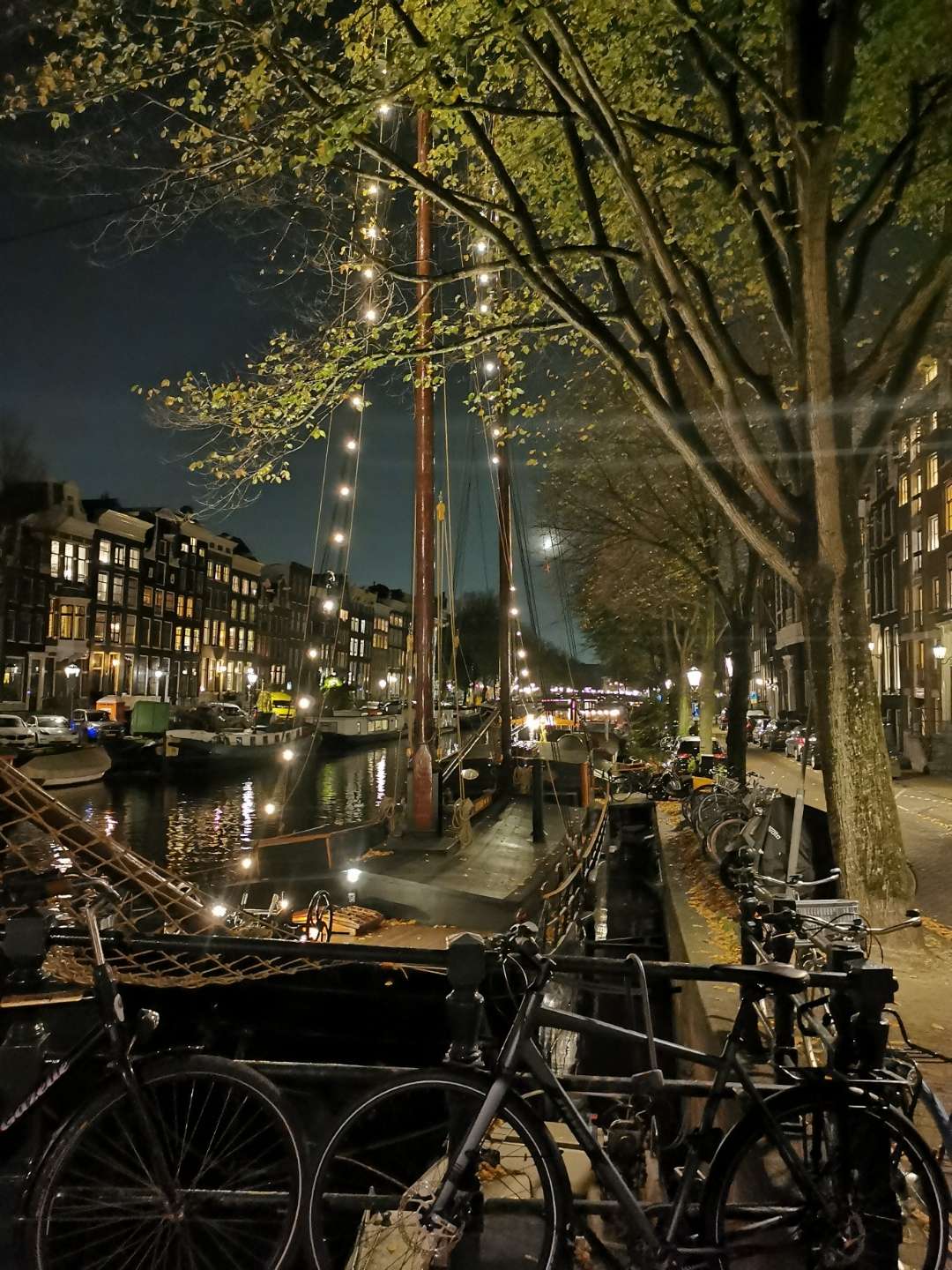
In the evening (after 8pm), the neighborhood transforms. The red and blue lights come alive, the streets fill with visitors from around the world, and the energy shifts completely. It's the version you've seen in photos and films, and I won't lie, there's a buzz to it that's unlike anywhere else. Just remember those rules I mentioned above.
If you only have time for one visit, I'd say come in the late afternoon. You get the best of both worlds as the light shifts from day to night, and you'll understand why Amsterdam considers this neighborhood one of its most historically significant.
What Most Tours Don't Tell You
Here's where having a guide with a Master's degree in Arts & Culture comes in handy. When I take visitors through the Red Light District, I don't just point at windows and tell you to be respectful (though that matters). I tell you about the hidden Catholic church that was built inside an attic because Catholicism was banned. I explain why the buildings lean forward (it's deliberate, not structural failure). I show you where Rembrandt used to buy his paints and where his wife was buried.
I'll share the story of how a neighborhood that started as a medieval port district became a symbol of Dutch tolerance, and why the Dutch approach to regulation, not prohibition, has shaped everything from their drug policy to their healthcare system. It's genuinely one of the most fascinating case studies in urban planning and social policy you'll find anywhere.
And honestly? I still discover new stories every time I walk these streets. After more than 10 years of guiding in Amsterdam, this neighborhood continues to surprise me. That's the mark of a truly extraordinary place.
If you're planning a visit to Amsterdam, don't just walk through the Red Light District with your head down or your camera out. Take the time to really understand it. Whether you join me for a Red Light District tour or explore on your own, approaching De Wallen with curiosity and respect will reward you with one of the most memorable experiences of your trip.
And if you want the stories most visitors never hear? Well, that's what I'm here for. You can also check out my Amsterdam Essentials walking tour which includes a walk through parts of this historic area.